Whether you’re an entrepreneur looking to acquire an existing business or an owner considering an exit, the due diligence phase is where deals succeed or quietly fall apart. Rushing or skipping this stage in the excitement of a handshake agreement is one of the most common and costly mistakes in a small business transaction.
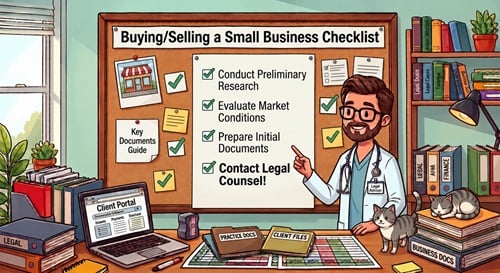
Taking the time to properly review, document, and structure the deal protects both sides from surprises that surface only after the ink is dry.
What Buyers Should Review
A thorough buyer doesn’t just look at the numbers. A sound due diligence review typically covers four core areas:
Contracts. Review every material agreement the business is party to. Pay close attention to assignment clauses, since many contracts require the other party’s consent before they can transfer to a new owner, and to change-of-control provisions that may let a vendor or landlord terminate the moment ownership changes.
Liabilities. Look beyond the balance sheet. Pending or threatened lawsuits, unpaid taxes, outstanding liens, and unresolved vendor disputes can all follow the business (and in some transaction structures) follow the buyer directly.
Licenses & permits. Confirm that any required state or local licenses, permits, or industry-specific certifications are current, in good standing, and actually transferable. Some licenses are tied to the individual owner rather than the business itself and may need to be reapplied for entirely.
Employee issues. Review employment agreements, non-compete or non-solicitation agreements, classification of workers as employees versus independent contractors, and any outstanding wage or leave obligations. Undisclosed classification problems in particular have a way of becoming the buyer’s problem post-closing.
What Sellers Can Do to Prepare
Sellers who prepare in advance tend to see smoother negotiations and fewer last-minute price reductions. A few steps worth taking before going to market:
- Organize contracts, licenses, and corporate records so they’re ready to produce, not scattered across email threads and file cabinets
- Resolve outstanding legal or compliance issues, such as: unpaid taxes, expired licenses, or unresolved disputes before a buyer finds them first
- Review employment documentation and correct any misclassification issues proactively
- Have a clear picture of what liabilities exist and be prepared to disclose them, rather than let a buyer discover them mid-negotiation
A business that’s “diligence-ready” is a business that closes faster and with fewer concessions.
Why This Matters
A deal built on incomplete information doesn’t stay simple for long. Buyers who skip diligence can inherit lawsuits, licensing gaps, or misclassified employees they never agreed to take on. Sellers who go to market unprepared often see deals stall, prices drop, or negotiations sour once a buyer starts finding problems on their own. A structured due diligence process, paired with the right deal structure, protects both sides and keeps the transaction on track.
Recommended Actions
If you’re considering buying or selling a small business, the diligence and structuring phase is not the place to cut corners. Daudi & Kroll, P.C. assists clients on both sides of small business transactions. If you’re weighing a purchase or a sale in the months ahead, now is a good time to talk through what the process will actually involve.
For legal guidance or a consultation, call us at (734) 351-5578.
Adil Daudi, Partner at Daudi & Kroll, P.C., serves as a trusted advisor specializing in employment law and complex corporate transactions. His expertise includes structuring and negotiating buy/sell agreements, real estate transactions, corporate restructuring strategies and providing guidance on employment law compliance. Adil also provides strategic counsel on estate planning, Shariah-compliant estate solutions, and corporate formation. He can be contacted for any questions related to this article or other areas of law at [email protected] or (734) 351-5578.
Disclaimer: This article is intended to provide general information and does not constitute legal advice. Please consult with an attorney for advice regarding your specific situation.
|
|
Asset Sales vs. Stock SalesThe structure of a deal matters as much as the price. In an asset sale, the buyer purchases specific assets and typically only the liabilities they agree to assume. This can limit their exposure but often means a less favorable tax treatment for the seller. In a stock sale, the buyer takes over the entity itself, liabilities included, whether known or not. Some sellers often prefer this for a cleaner exit and better tax treatment, but it demands a deeper due diligence process from the buyer. Neither structure is universally better. The right structure depends on the industry, the liabilities involved, and what each side is willing to negotiate on price. |